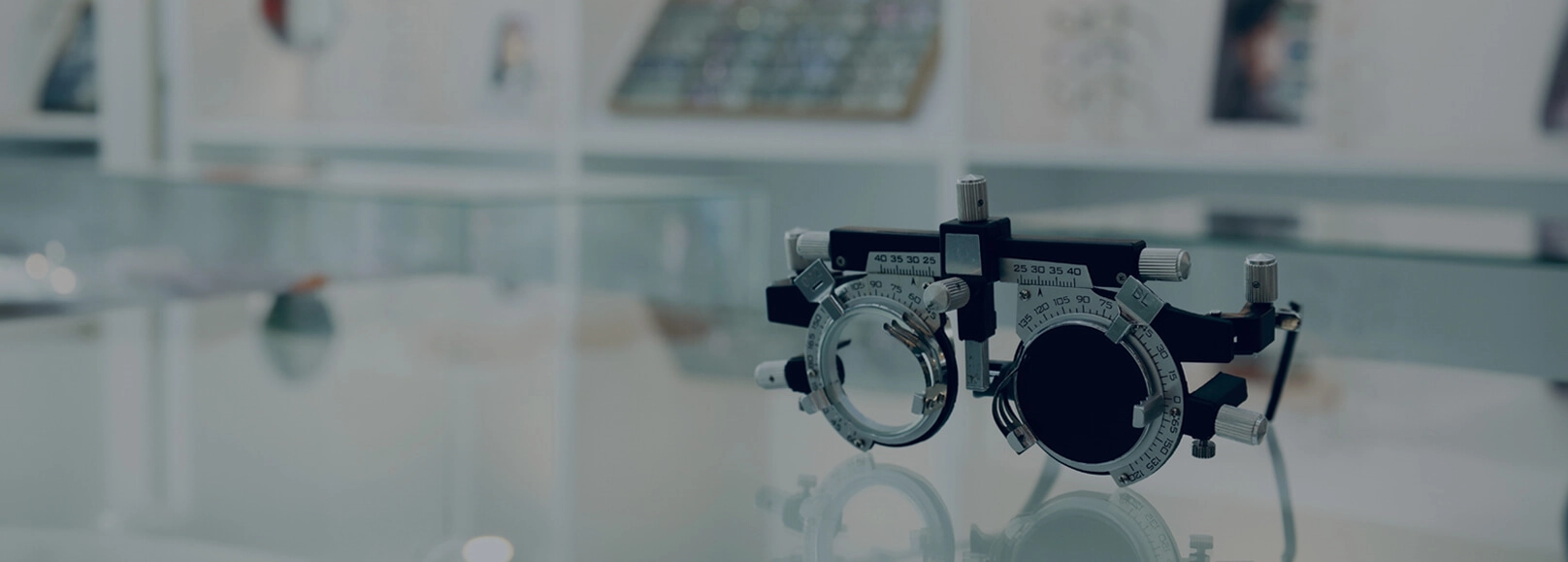
Around a third of people in the UK are myopic (short-sighted) where distance vision appears blurred. The condition usually starts in childhood and tends to get worse until the eye has stopped growing but can also develop in adults. People are more likely to become myopic if their parents are also myopic. Myopia management focuses on slowing down the progression of near-sightedness in children and teenagers, potentially reducing the risk of vision problems later in life. It involves using specialized spectacle lenses and contact lenses rather than just correcting with standard glasses or contacts. If a person has a high level of Myopia, they will be at a slightly greater risk of having reduced sight later in life due to conditions such as retinal detachment, glaucoma, and retinal degeneration. It is because of this that much research has gone into methods that can slow down myopia progression in children. The results are encouraging.
There is also evidence that spending as much time outdoors as possible can slow progression of myopia, particularly between the ages of 5 and 12. This is because the eyes are more relaxed when outside as they focus on distant objects. Natural sunlight is also thought to have played a role in encouraging the eyes to develop in the correct way. Time spent on devices when inside where the focusing distance is much closer should be limited.

Glance Eyecare & Hearcare
Unit 5, Sopwith Court
Slough Road, Datchet
SL3 9AU
Customer parking available at rear.
Call today
01753 771 260
Email
hello@glanceeyecare.com
| Monday | 10.00 am - 6.00 pm |
| Tuesday | 10.00 am - 6.00 pm |
| Wednesday | CLOSED |
| Thursday | 10.00 am - 6.00 pm |
| Friday | 10.00 am - 6.00 pm |
| Saturday | 9.00 am - 6.00 pm |
| Sunday | CLOSED |
Our practice will be closed from 1.30 pm to 2.30 pm, Monday through Thursday and on Saturdays.
On Fridays, we will be closed from 12.00 pm to 2.30 pm.